
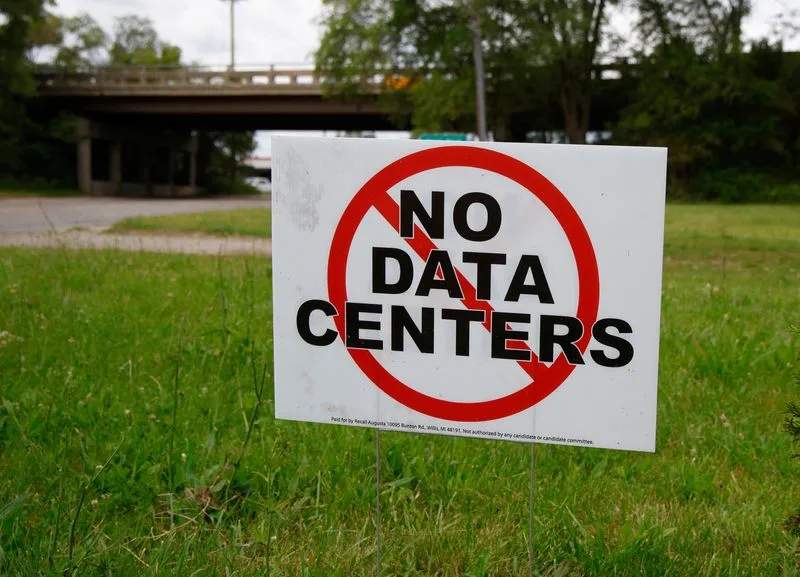
WASHINGTON — The land is changing, and the people are not content. On a quiet Saturday, opponents of the rapid data center buildout took to the streets in at least 125 locations across the United States. It is the first coordinated national effort to fight the expansion of artificial intelligence infrastructure that has altered local politics over the past year.
// RELATED STORIES

Suka dengan artikel ini?
Dapatkan lebih banyak informasi teknologi menarik dengan berlangganan newsletter kami. Gratis!
Subscribe Sekarang →A grassroots group called HumansFirst organized the rallies. The group was co-founded by Amy Kremer, a former leader of the modern Tea Party movement. She sees the same anger rising now that she saw in the populist movement of 2009. The people are protesting what they call an unaccountable expansion and an unacceptable infringement on their liberty.
According to local reports, towns and counties have become the main battlegrounds. Local officials have signed non-disclosure agreements with developers, leaving residents in the dark. Now, politicians at the state and national levels scramble to face the voters. The people fear high power bills, the loss of good water, and heavy pollution.
The anger crosses political lines. Based on a June Reuters/Ipsos poll, only one-third of Americans approve of the pace of data center construction in the country. Only 14% of those polled would support a data center in their own neighborhood to serve tech firms like Meta, Alphabet, Amazon, Microsoft, or Elon Musk's xAI.
The Data Center Coalition, which lobbies for the tech industry, did not comment immediately on the protests. In the past, the group stated that data centers are committed to being responsible neighbors in the communities where they build. The people on the ground do not agree.
Kremer stated that the anger is nonpartisan. People woke up to find large structures in their backyards, and they did not want them. She predicted that data centers will become a defining issue in the November midterm elections and the 2028 presidential race. She criticized Republicans for giving Big Tech a free pass, but she does not favor the total bans seen in Democratic states like New York.
The protests spread through red states and blue states alike. Texas, a stronghold for developers, saw 16 protests. Georgia had 11, while California, Florida, and Pennsylvania each had 7. The organizers want transparency, protected water, and good union jobs. They want to hold the developers to their word.
In Texas, an activist named Eva Cardona helped organize the local resistance. She is 31 and calls herself a political nomad. She heard about unregulated AI and grew alarmed by the growth. She wanted to do something real, something more than a standard post on social media.
Out in the California desert, in Imperial County, a man named Ivan DelSol leads another crowd. A proposed project there could take 260 million gallons of water each year from the Colorado River. DelSol spoke plainly. He said it is dystopian to use that much fresh water for AI. The industry says its water use is small compared to other trades, but the desert is dry, and the people are thirsty.