
The truce did not hold. On Thursday, Iran and the United States traded heavy fire across the region, erasing the quiet of last month's agreement. The American military launched its sixth straight night of airstrikes to weaken Iranian forces, hitting the southern coast twice in a single day for the first time since the fighting paused.
// RELATED STORIES

Suka dengan artikel ini?
Dapatkan lebih banyak informasi teknologi menarik dengan berlangganan newsletter kami. Gratis!
Subscribe Sekarang →The response from Tehran was swift. According to Iranian state media, missiles and drones targeted American military bases in neighboring countries. Iranian officials stated that an expanded air base in Jordan had been used on Wednesday night to launch a strike against a children's cancer hospital inside Iran.
By Thursday evening, American ordnance fell on Qeshm Island and near Bandar Abbas, where Iran keeps its largest port and naval strongholds along the Strait of Hormuz. Based on reports from the semi-official Mehr news agency, projectiles hit multiple targets in the port city, while other strikes disabled three bridges, a train station in Bandar Khamir, and an airfield in Iranshahr.
Amid the rising violence, confusion surrounded the fate of a detained American citizen. President Donald Trump spoke on Wednesday of a release, calling it a sign of goodwill from Tehran, and a human rights lawyer identified the citizen as Dena Karari. But by Thursday, the Iranian judiciary denied the claim, stating no American prisoner had left their cells.
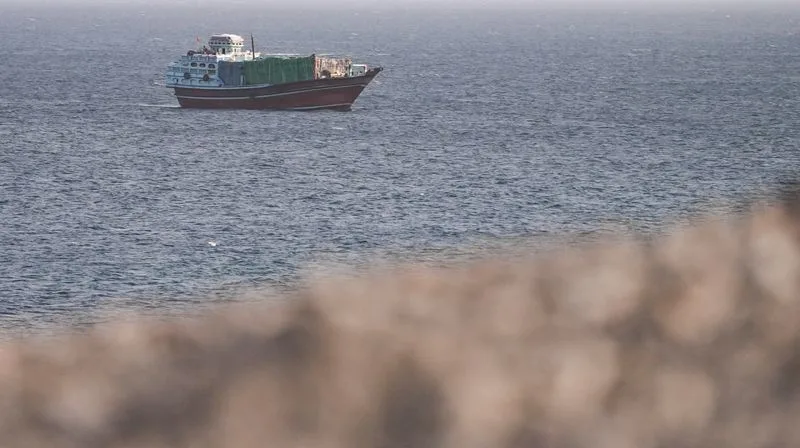
The renewed fighting has brought shipping to a standstill in the Strait of Hormuz, which remains the vital artery for global oil and gas. Washington renewed its blockade on Iranian ports, and Tehran closed the strait. Sources told Reuters that Iran might press its Houthi allies in Yemen to shut down the Bab al-Mandeb strait at the Red Sea if its infrastructure is hit.
White House Press Secretary Karoline Leavitt stated that President Trump would not allow acts of terrorism in the strait without consequences, though she noted he remains open to diplomacy. Iranian sources indicated that Tehran seeks to establish control over the shipping lanes but wishes to avoid a larger war that would destroy the preliminary deal made in June.
Inside Iran, the population is weary of the threat of bombs. Residents expressed exhaustion over the constant fear of war and voiced a desire for diplomacy. Meanwhile, Iran demands that all vessels using the strait pay passage fees and travel through a channel near its coast, a move the United States has countered by advising ships to sail farther south along the coast of Oman.
American forces intend to break Iran's grip on the waterway, but Iranian military spokesperson Brigadier General Mohammad Akraminia countered that their territory allows them to strike the strait from anywhere. President Trump has not ruled out the deployment of ground forces to seize Kharg Island, the main oil terminal, and threatens to strike power plants and bridges next week if negotiations do not resume.