
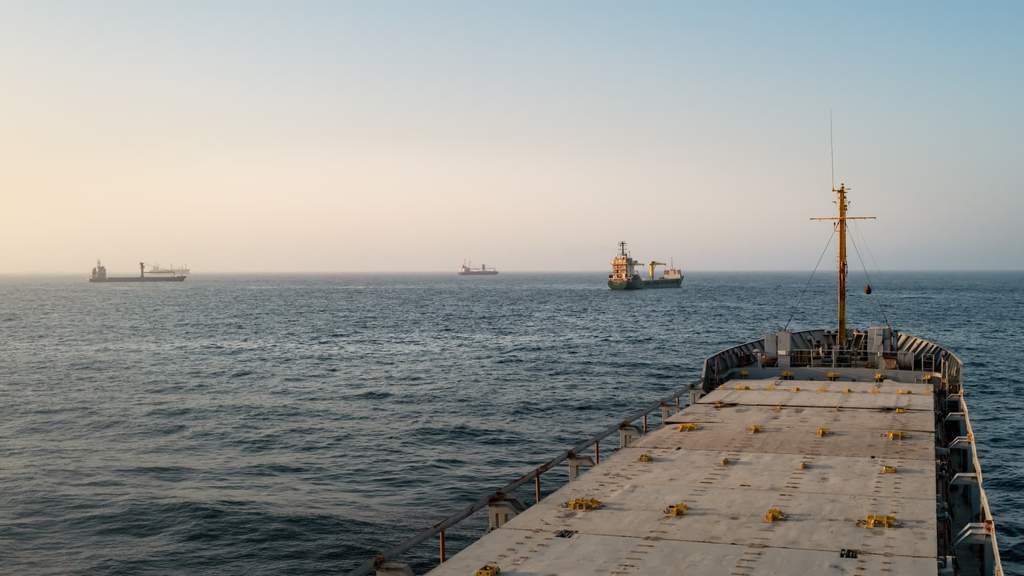
A fragile peace hangs over the world's most critical energy chokepoint. One week after the United States and Iran signed a deal to reopen the Strait of Hormuz, shipping traffic showed signs of recovery. Yet, a renewed attack on a commercial vessel on Thursday brought fresh uncertainty to the waters, halting United Nations evacuation efforts and forcing several tankers to reverse their course.
// RELATED STORIES

Suka dengan artikel ini?
Dapatkan lebih banyak informasi teknologi menarik dengan berlangganan newsletter kami. Gratis!
Subscribe Sekarang →According to data from AXS Marine, the week following the ceasefire announcement saw 125 transits recorded between June 15 and June 21. This marked the highest weekly total since conflict erupted in late February. Tankers rushed into the narrow waterway, eager to move stored Gulf crude oil before the agreed 60-day truce window expires. On June 24, commercial crossings hit a single-day peak of 62 vessels, though this remained at just 53 percent of the volume recorded on the same day last year.
The revival faced a sudden blow on Wednesday when the Islamic Revolutionary Guard Corps declared that all vessels must utilize its northern route and obey Iranian instructions. Hours after the mandate, the Ever Lovely, a Singapore-flagged container ship operated by Evergreen, was struck on its starboard side by a projectile off the coast of Oman. Based on statements from a United States official, the strike was carried out by the IRGC, marking the first assault on a merchant vessel since the truce began.
The geography of the region complicates the passage. Located between Oman and Iran, the Strait of Hormuz handles roughly 20 percent of the world's oil traffic. Today, shipowners must navigate between two competing authorities with no shared rules. Iran controls the northern corridor, while a southern passage runs through Omani waters. The standard commercial lane used before the war remains entirely closed due to sea mines.