
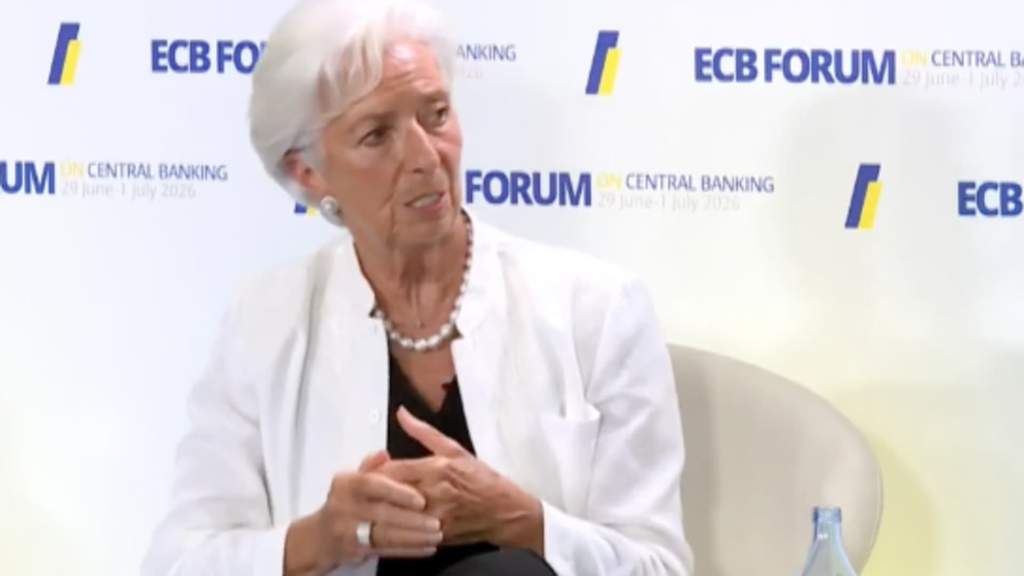
Several consecutive days of military strikes exchanged between the United States and Iran have once again thrown global oil prices into the spotlight. The sudden escalation has cast severe uncertainty over the European Central Bank's interest rate decision scheduled for next week.
// RELATED STORIES

Suka dengan artikel ini?
Dapatkan lebih banyak informasi teknologi menarik dengan berlangganan newsletter kami. Gratis!
Subscribe Sekarang →Investors on Wednesday rapidly repriced expectations for the ECB's July 22 monetary policy meeting. The soaring cost of crude oil has put previous expectations for a rate hold into serious doubt as inflation risks re-emerge.
According to Bundesbank President and ECB rate setter Joachim Nagel, the renewed outbreak of military conflict in the Middle East and the fresh rise in oil prices underscore an extremely volatile situation where uncertainty remains similarly high.
Based on a report by Reuters, Nagel advised that the central bank must react with caution but remain ready to act decisively if necessary. He emphasized that monetary policy will maintain its vigilant stance as the geopolitical situation develops.