
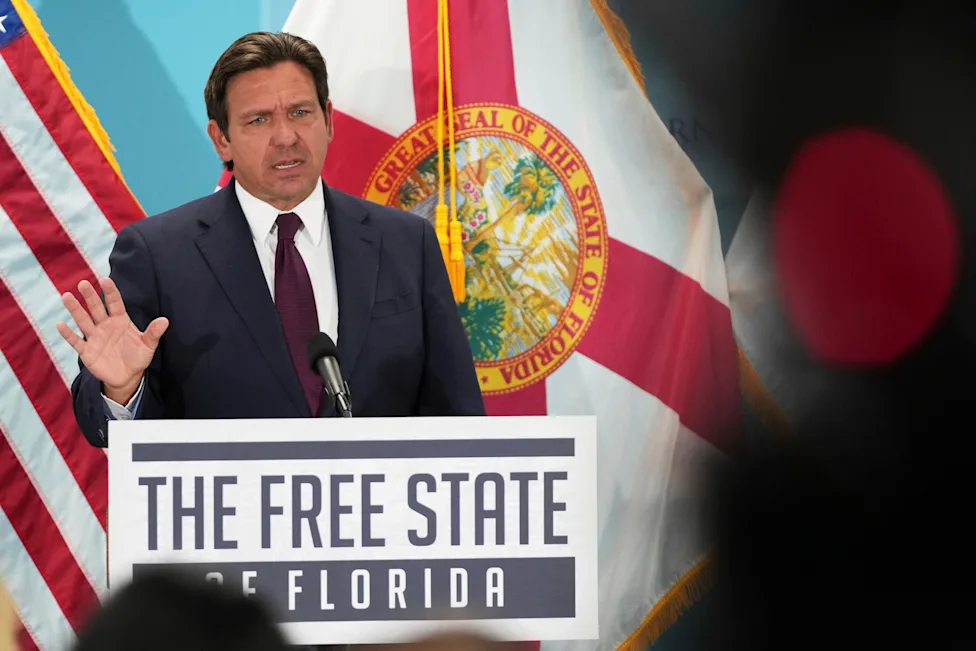
The law was heavy, and the court found it too heavy for the Constitution. On Tuesday, a divided panel of the U.S. Court of Appeals for the 11th Circuit ruled that Florida's restrictions on classroom lessons regarding race and gender violate the First Amendment rights of professors. The decision struck a severe blow to the law championed by Governor Ron DeSantis.
// RELATED STORIES

Suka dengan artikel ini?
Dapatkan lebih banyak informasi teknologi menarik dengan berlangganan newsletter kami. Gratis!
Subscribe Sekarang →The judges affirmed a lower court decision from 2022 that called the state's regulations dystopian. In the majority opinion, the court described the legislation as a breathtaking assertion of power to ban unpopular ideas from public discourse. They wrote that the university classroom is a place where students must puzzle through ideas to get closer to the truth.
According to Judge Britt C. Grant, a Trump appointee who wrote for the majority, the statute crossed the line. "If the First Amendment offers any boundary of protection at all for public university classrooms, this statute crosses it," Grant wrote. She was joined in the 2-1 decision by Judge Charles R. Wilson, an appointee of Bill Clinton.
Judge Barbara Lagoa, a Trump appointee and former Florida Supreme Court justice, chose a different path. In a sharp dissent, Lagoa argued that the First Amendment does not compel the state to endorse all viewpoints. She wrote that the panel was not free to rewrite legal precedent simply because they disliked where it led.
The Florida Legislature passed the Individual Freedom Act, known as H.B. 7, in 2022. The state has been unable to enforce the law due to continuous legal battles. The legislation sought to prohibit schools and corporations from teaching concepts that might cause individuals to feel guilt or psychological distress based on their race or sex.
The ruling came after years of fighting by civil rights organizations and free speech groups. The Foundation for Individual Rights and Expression filed one lawsuit on behalf of a university professor and students. The ACLU and the Legal Defense Fund brought another challenge. Both groups argued that the law created a system of state censorship in higher education.
Following the decision, representatives from the advocacy groups expressed satisfaction with the court's stance. Leah Watson of the ACLU stated that the ruling sets a firm precedent against political interference in higher education. Greg H. Greubel of FIRE noted that colleges would remain places where controversial topics could be openly debated.
Based on reports from Tallahassee, the DeSantis administration did not offer an immediate response to the ruling. However, State Attorney General James Uthmeier praised Judge Lagoa on social media, suggesting she belonged on the Supreme Court of the United States. The future of the law now remains uncertain.