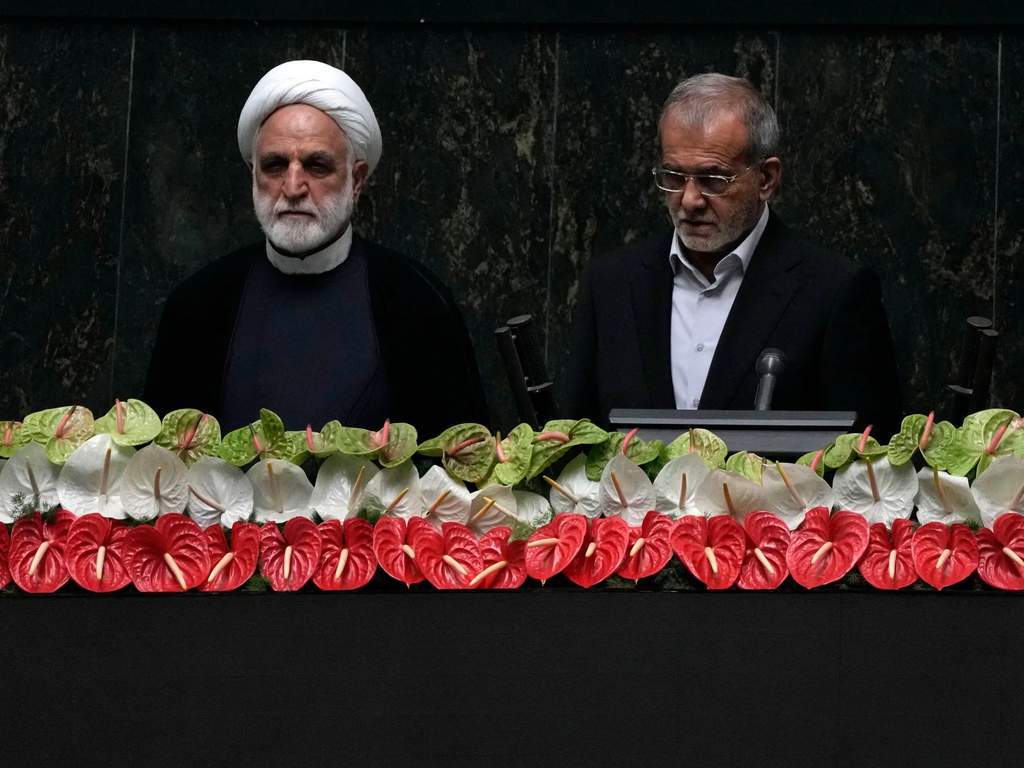
Maintaining Judicial Continuity Amid Regional and Domestic Unrest
Tehran has formalized a second five-year term for the 69-year-old cleric Gholam-Hossein Mohseni-Ejei, ensuring institutional stability as the nation mourns former Supreme Leader Ayatollah Ali Khamenei. The confirmation was issued via a message from the new head of state, Mojtaba Khamenei, who succeeded his father following a fatal air strike in late February that marked the beginning of the US-Israel war on Iran.
The decision coincides with vast funeral processions moving through Tehran toward Qom and Mashhad under tight Islamic Revolutionary Guard Corps (IRGC) security. Mohseni-Ejei, who previously served on the temporary three-man governing council after the assassination, has been directed by the new leadership to intensify anti-corruption measures, counter 'global aggressors,' and initiate a comprehensive judicial transformation.
Read Also
Under Mohseni-Ejei's leadership, the judiciary has significantly increased its domestic reach, enacting severe crackdowns on dissent and accelerating executions to levels unseen since the late 1980s. A restrictive national security law passed last year has led to widespread prosecutions for espionage, mass arrests following anti-government demonstrations, and the state seizure of assets belonging to high-profile figures.
Beyond domestic enforcement, Mohseni-Ejei retains significant political influence through his seat on the Supreme National Security Council, where he recently voted in favor of a US-Iran memorandum to temporarily pause military hostilities. While diplomatic talks remain paused during the official mourning period, the choice to retain the veteran chief justice signals Tehran's desire to avoid systemic reshuffling while dealing with external threats of regime change.