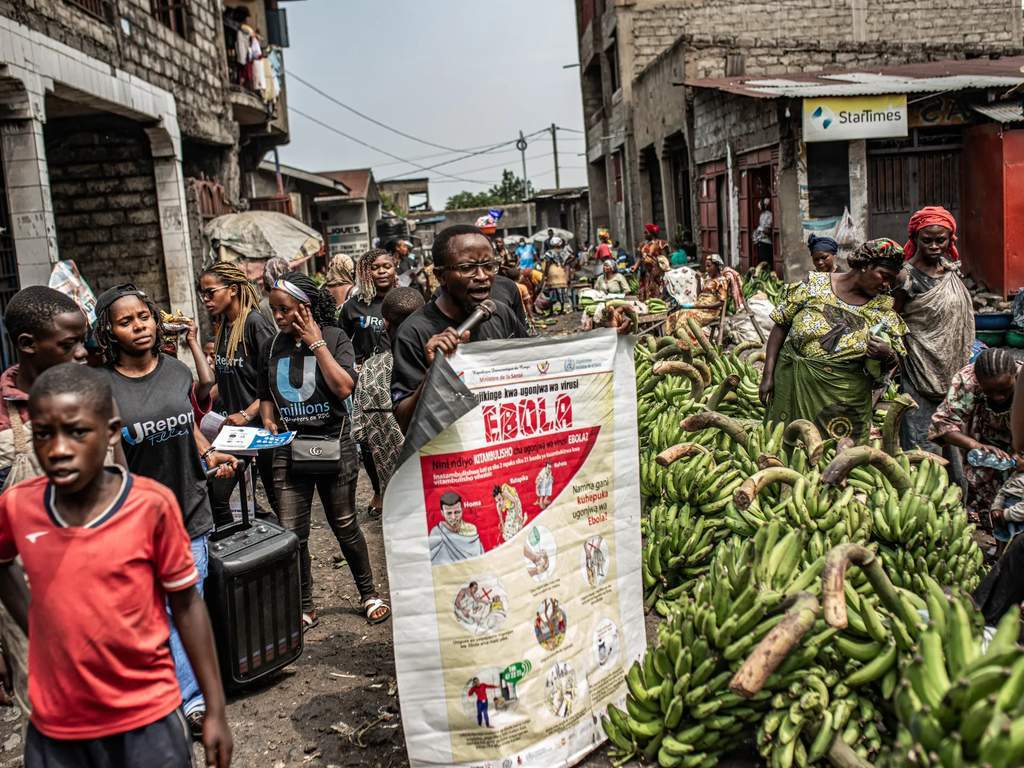
Rare Virus Strain and Labor Disputes Straining Healthcare Response
According to a World Health Organization situation report, the Democratic Republic of the Congo has recorded 506 fatalities and 1,561 confirmed infections during its 17th epidemic, officially declared on May 15. The crisis is driven by the rare Bundibugyo virus strain, which currently lacks an approved vaccine or standard therapeutic treatment.
Data from the mining town of Mongbwalu in Ituri province, the outbreak's epicenter, indicates a high lethality rate of 50.7 percent due to delayed care and tracing difficulties. In response, a clinical trial evaluating two experimental treatments commenced on Thursday, alongside emergency WHO authorization for a new molecular diagnostic test.
Read Also
The health emergency is facing severe disruption as local healthcare professionals issued a strike notice to the government regarding unpaid hazard benefits and unsafe working environments. Local staff criticized the 'arrogance' of emergency teams dispatched from Kinshasa and condemned the systemic lack of essential medical supplies and equipment.
Regional conflict further complicates containment efforts, with the anti-government M23 rebel group controlling parts of North Kivu, where the Ebola mortality rate has reached a worrying 57.4 percent. While rebel authorities claim the virus has been eradicated in their sectors, neighboring Uganda remains on high alert with two reported fatalities.